How Lab Grown Diamonds can Save You Time, Stress, and Money.
Table of ContentsThe Buzz on Lab Grown DiamondsAll about Lab Grown DiamondsThe 20-Second Trick For Lab Grown DiamondsThe Best Strategy To Use For Lab Grown Diamonds
As you take a trip closer to the Earth's core, stress and temperature level boost, which creates the perfect stove for carbon to be transformed right into diamond (rubies are the only gemstone to be made from purely one component). With a large volcanic eruption, these rubies were delivered to the Earth's surface. It's approximated this process was fairly fast (more than likely throughout a number of hours), which allowed the rubies to remain undamaged without melting.The short answer: carats determine the mass of stones, karats determine the pureness of gold. Carat: 1 carat weight is equal to 0.2 grams, concerning the weight of a paperclip (next time you see a photo of Mariah Carey's 35 carat weight engagement ring, simply envision the worry of bring 35 paper clips around your finger on a daily basis).
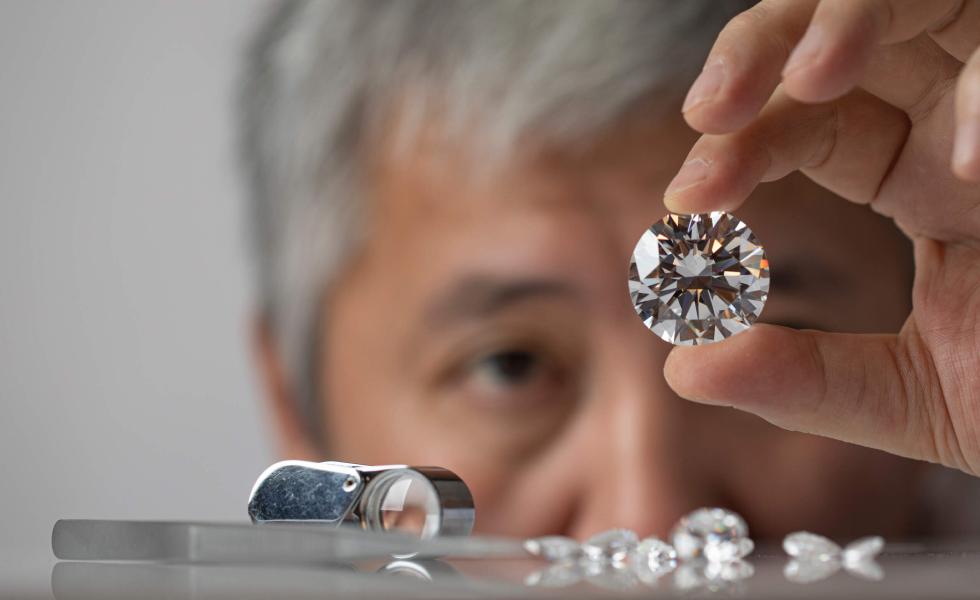
Right here are some of the key benefits of lab expanded diamonds and laboratory grown ruby jewellery:.
A Biased View of Lab Grown Diamonds
In other words, natural or earth-mined diamonds are crafted over numerous years beneath the Earth's crust from pure carbon incorporated with pressure and warm. Developing diamonds in a laboratory calls for the same process, simply fine-tuned to happen over a much smaller period in a a lot more controlled setting.
Whereas earth-mined diamonds are unusual and limited and often tend to enhance in cost with time, laboratory diamonds are easily available. As need surges, laboratories can continue to produce lab diamonds indicating they are not minimal or scarce compared to natural diamonds. If you have an interest in great precious jewelry from a financial investment standpoint, like lab-grown diamond rings, they won't be a good fit for your needs.
They might believe that the disadvantages of lab-grown rubies surpass the pros. Problems, battles, and civils rights concerns are all come together with the diamond market. That said, the diamond industry does give revenue to third-world nations. Some may argue that, consequently, buying a lab-made ruby additionally includes its ethical considerations, as doing so takes revenue far from those associated with the all-natural diamond sector that may require it most.
Standard diamonds depend on the Planet's problems to establish their high quality or lack thereof. In a laboratory, manufacturers can directly regulate a ruby's quality.
A Biased View of Lab Grown Diamonds
You can conveniently locate colored, man-made diamonds on the (reasonably) inexpensive side as well as particular cuts that would be pricier if you were shopping for a mined diamond just. That hardly means it isn't worth shielding.
all-natural diamonds is that the latter is extracted from natural down payments in the Earth while the former is made in a laboratory using regulated settings. Yet their high quality is mostly the very same. Lab Grown Diamonds. While the difference in between lab-grown and natural ruby options are marginal when it concerns top quality, a few of the downsides of lab-grown diamonds consist of the fact that the stone will certainly depreciate gradually and, to some, a lack of sentimental worth that's frequently connected with mined Resources diamonds
The procedure involves very little land disturbance and gets rid of worries connected to deforestation and environment destruction. Lab-grown diamonds are usually much more cost effective than natural diamonds. This expense distinction can be credited to the streamlined production process and the evasion of costs connected with standard mining. The Controlled Environment in Which Laboratory Grown Diamonds Are Produced Permits for Regular Quality.
Adaptability in Design - Lab Grown Diamonds Deal Developers and Customers a Versatile Palette to Develop Special and Ingenious Precious Jewelry Layouts - Lab Grown Diamonds. Laboratory Diamonds Typically Come with An Even More Clear Supply Chain.
Lab Grown Diamonds for Beginners
Market Assumption - In Spite Of Their Identical Physical Characteristics, Laboratory Diamonds May Face Challenges in Market Assumption. Some Customers Still Perceive Natural Diamonds as Having Greater Worth and Prestige. The Production of Lab-Grown Diamonds Can Be Energy-Intensive, Particularly in Techniques Like High Pressure High Temperature level (hpht) and Chemical Vapor Deposition (cvd).
Natural Diamonds Are Created Over Numerous Years Deep Within the Earth, Adding To Their Perceived Rarity. Lab-Grown Rubies, In Spite Of Their Similar Quality, Might Not Lug the Exact Same Rarity Aspect, Influencing Their Regarded Value for Some Customers. Impact on Diamond-Dependent Economies - the Shift In The Direction Of Lab Grown Diamonds May Have Economic Implications for Countries and Communities that Depend on The Diamond Mining Industry.
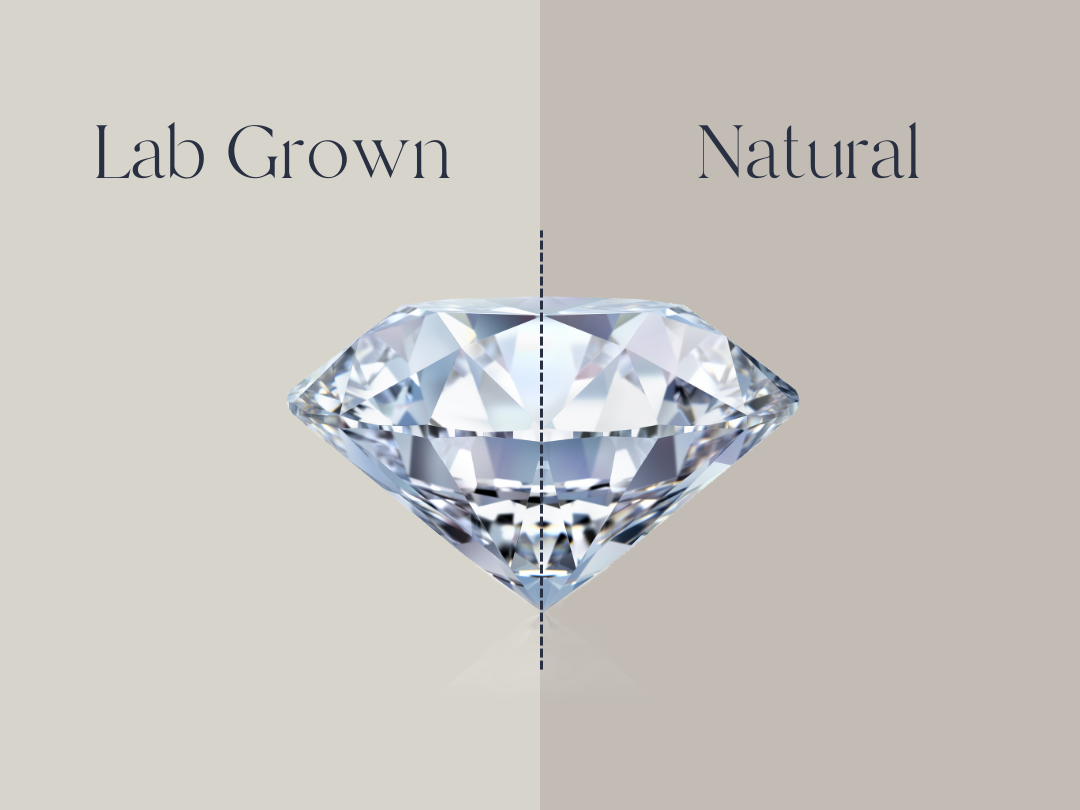
Lab Rubies Are of Equal Quality to Natural Diamonds in Terms of Solidity, Sparkle, and Clearness - Lab Grown Diamonds. Yes, Lab Diamonds Shimmer Just visit this site right here Like All-natural Diamonds. Their Brilliance and Sparkle Are a Result of Their Cut and The Way Light Communicates with Their Facets.